Naïades Locations

Whale-Watching in Réunion: The Highlight of the Southern Winter

This guide tells you the best time of year, the top spots, what to expect on a tour, and everything you need to know to enjoy a unique and unforgettable experience that is responsible and respectful of marine life.

Discover


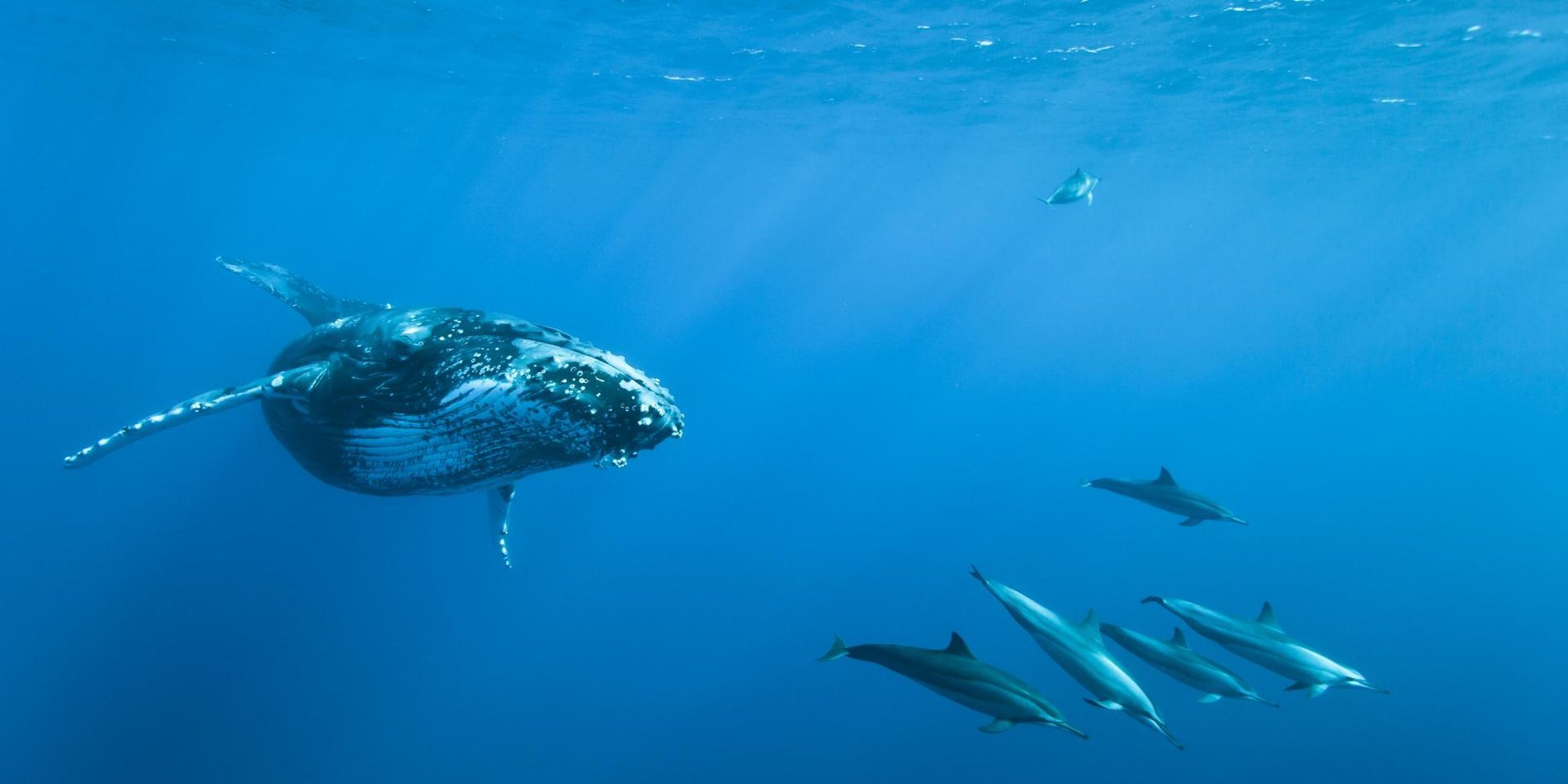
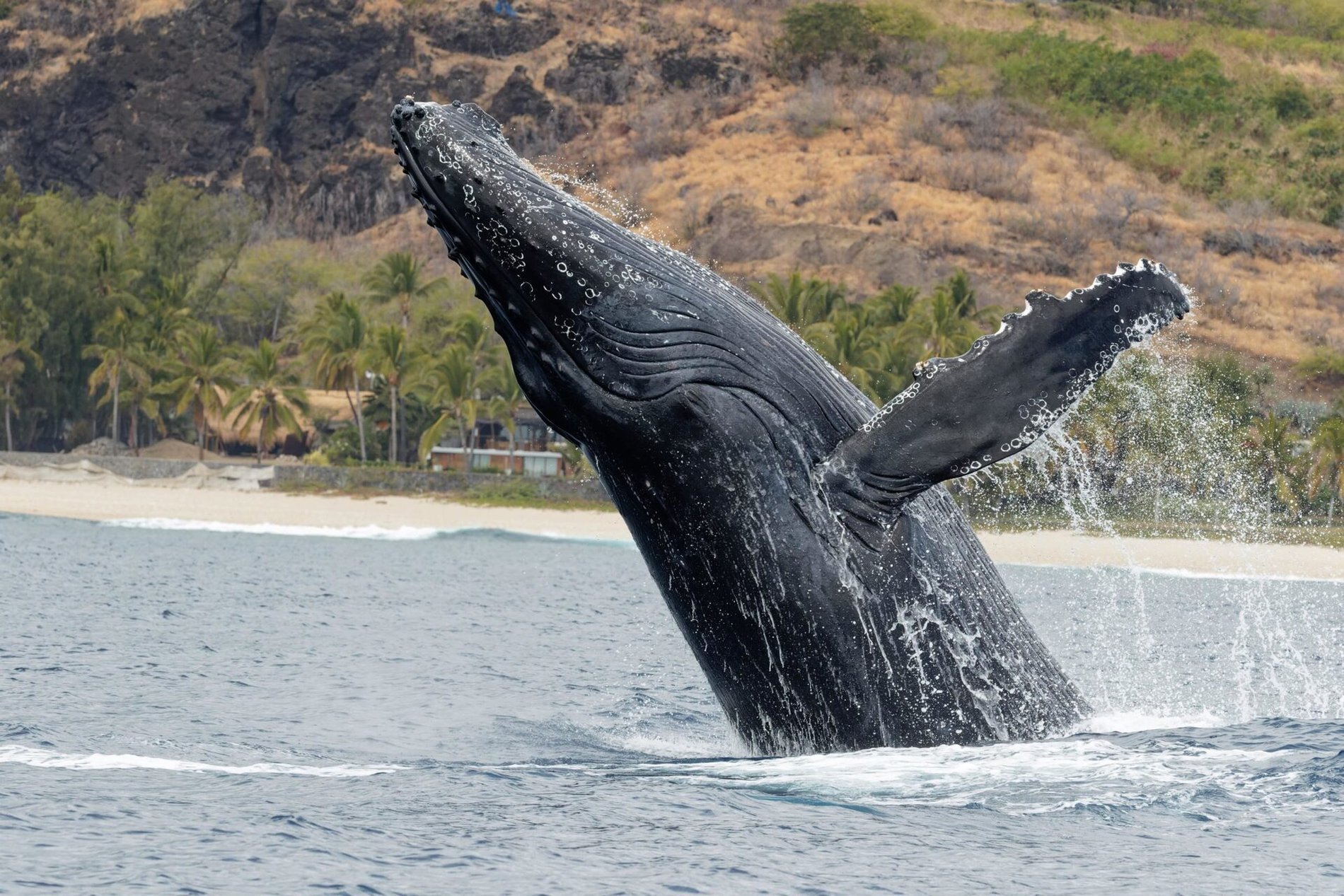
From early June to late October, the Indian Ocean treats Réunion to one of its most beautiful natural spectacles. Booking a whale-watching trip in Réunion means setting out on a boat tour to encounter humpback whales, these marine mammals that migrate from Antarctica to give birth in the warm waters off the west coast.

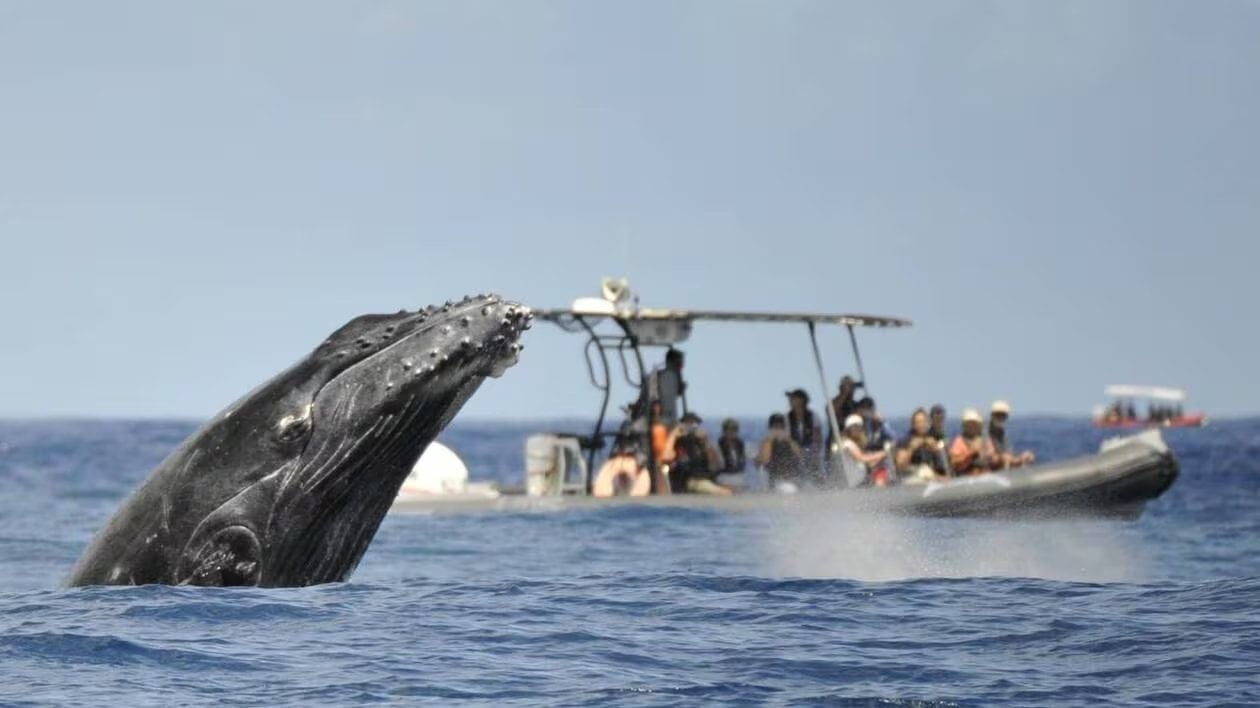
Departing from the port of Saint-Gilles, whale watching takes place on boat excursions that adhere to the approach guidelines, allowing you to witness powerful blows, spectacular leaps, and tail slaps. Sightings of dolphins, sea turtles, and other marine life often round out the experience in the heart of this exceptional destination.

Book your rental in Réunion 


When to Go Out to Sea: Whale Season in Réunion

Whale season in Réunion runs from June to October, with peak activity in July, August, and September. The regulated period set by the prefectural decree officially runs from July 1 to September 30. During these months, humpback whales leave the cold waters of Antarctica to head for the Indian Ocean and the coast of Réunion, where they come to breed and give birth. The first sightings sometimes as early as May, herald the arrival of the mothers and their calves along the west coast.

To maximize your chances, aim for a sunny day with calm seas and light winds: visibility is better, and you can spot a blow or a breach from a distance. Morning trips often offer the most stable conditions.

👉 Good to know : no tour can guarantee a 100% sighting rate. During peak season, tour operators report a high success rate for humpback whales, while dolphins can be spotted almost year-round.


When to Go Out to Sea: Whale Season in Réunion

Whale season in Réunion runs from June to October, with peak activity in July, August, and September. The regulated period set by the prefectural decree officially runs from July 1 to September 30. During these months, humpback whales leave the cold waters of Antarctica to head for the Indian Ocean and the coast of Réunion, where they come to breed and give birth. The first sightings sometimes as early as May, herald the arrival of the mothers and their calves along the west coast.

To maximize your chances, aim for a sunny day with calm seas and light winds: visibility is better, and you can spot a blow or a breach from a distance. Morning trips often offer the most stable conditions.

👉 Good to know : no tour can guarantee a 100% sighting rate. During peak season, tour operators report a high success rate for humpback whales, while dolphins can be spotted almost year-round.


On Board: What to Expect on a Boat Trip

A trip typically lasts two to four hours. Departure is early, around 7:00 or 8:00 a.m., when the sea is at its most beautiful, but some tour operators also offer sunset cruises, sometimes followed by an aperitif as you gaze out at the horizon. Aboard a comfortable boat or catamaran, the captain and his crew guide the search, aided by an underwater microphone: hearing the deep song of a male dolphin echoing beneath the hull is a memory that will stay with you forever.

Passenger safety and comfort are a priority: life jackets, a safety briefing, and a cruise tailored to everyone’s needs. The excursions are family-friendly, and children are welcome to experience this magical moment, generally ages four or five and up. Remember to bring a hat, sunscreen, and, if you’re prone to it, motion sickness medication. Keep your camera handy: a dolphin’s appearance is always unexpected.


On Board: What to Expect on a Boat Trip

A trip typically lasts two to four hours. Departure is early, around 7:00 or 8:00 a.m., when the sea is at its most beautiful, but some tour operators also offer sunset cruises, sometimes followed by an aperitif as you gaze out at the horizon. Aboard a comfortable boat or catamaran, the captain and his crew guide the search, aided by an underwater microphone: hearing the deep song of a male dolphin echoing beneath the hull is a memory that will stay with you forever.

Passenger safety and comfort are a priority: life jackets, a safety briefing, and a cruise tailored to everyone’s needs. The excursions are family-friendly, and children are welcome to experience this magical moment, generally ages four or five and up. Remember to bring a hat, sunscreen, and, if you’re prone to it, motion sickness medication. Keep your camera handy: a dolphin’s appearance is always unexpected.

Respectful Whale Watching: Approach Guidelines and Regulations

Approaching a whale cannot be done on a whim. In Réunion, whale watching is strictly regulated by a prefectural decree and by a set of approach guidelines that authorized operators must sign. The rules are clear: a limited number of boats allowed around a single group, reduced speed, a minimum distance to be maintained, a maximum observation time, and a prohibition on crossing the animals’ path. Outside the regulated period, vessels must remain more than 300 meters away from humpback whales.

When permitted, whale-watching trips may only be conducted with an authorized operator, during a specific time slot from 9:00 a.m. to 1:00 p.m., in small, supervised groups, and at a safe distance. Special protections are in place for approaching calf whales. The Globice association conducts scientific monitoring of the populations and raises public awareness, while Marine Nature Reserve staff ensure compliance with the rules. Since regulations change from season to season, check the current guidelines with your tour operator before departure. Choosing a responsible tour operator helps protect these giants and ensures a meaningful encounter.


Dolphins, Turtles, and Marine Life of the Indian Ocean

Even outside whale season, the ocean delivers on its promises. Long-beaked dolphins and bottlenose dolphins frequent the west coast year-round, often in pods, playful and curious: sightings of them have a very high success rate. As you sail along, it’s not uncommon to come across a sea turtle surfacing to breathe, or to spot, more discreetly, a rarer species such as the southern right whale.

A mask and fins naturally enhance the experience. The Ermitage Lagoon and the protected sites of the Marine Nature Reserve offer accessible snorkeling among multicolored fish and corals. For diving enthusiasts, Réunion’s seabed holds wonderful surprises in a rich natural environment.

Discover the travel guide


Dolphins, Turtles, and Marine Life of the Indian Ocean

Even outside whale season, the ocean delivers on its promises. Long-beaked dolphins and bottlenose dolphins frequent the west coast year-round, often in pods, playful and curious: sightings of them have a very high success rate. As you sail along, it’s not uncommon to come across a sea turtle surfacing to breathe, or to spot, more discreetly, a rarer species such as the southern right whale.

A mask and fins naturally enhance the experience. The Ermitage Lagoon and the protected sites of the Marine Nature Reserve offer accessible snorkeling among multicolored fish and corals. For diving enthusiasts, Réunion’s seabed holds wonderful surprises in a rich natural environment.

Discover the travel guide


Extend Your Stay: Cirques, Volcanoes, and Creole Culture

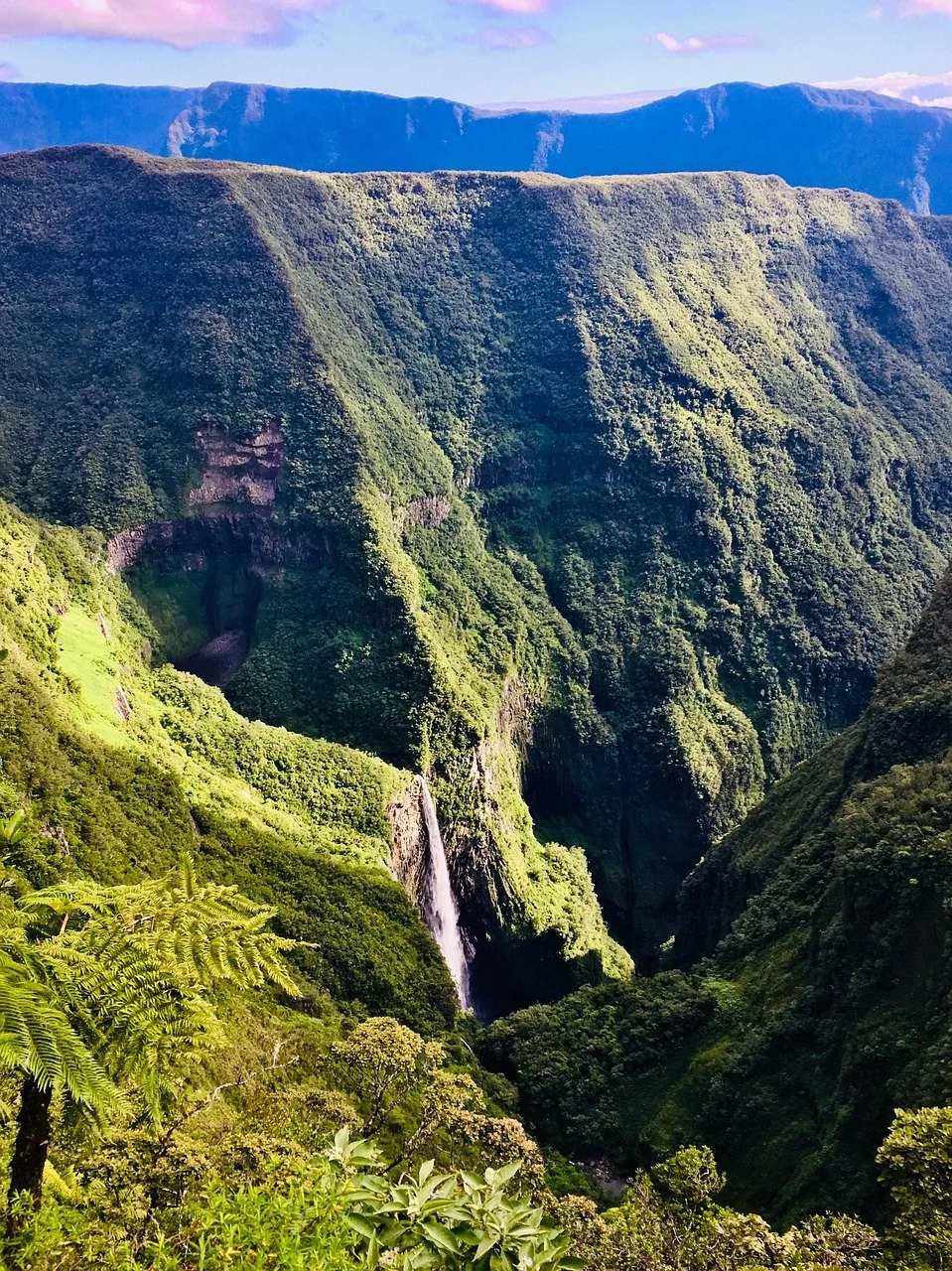
Reunion Island is more than just its coastline. Inland, the cirques of Salazie, Cilaos, and Mafate, designated as UNESCO World Heritage Sites feature vertiginous cliffs and hilltop villages. Further south, Piton de la Fournaise and the Plaine des Sables form an almost lunar landscape, accessible to hikers and casual visitors alike.

Creole culture, meanwhile, is something to be savored as much as it is to be explored. On Fridays, the Saint-Paul market blends the scents of spices, local fruits, and handicrafts. Back at your rental, give it a try: a carry or a rougail with sausage, prepared with fresh produce from the market, is worth more than any restaurant. That, too, is part of the art of living on our little island.

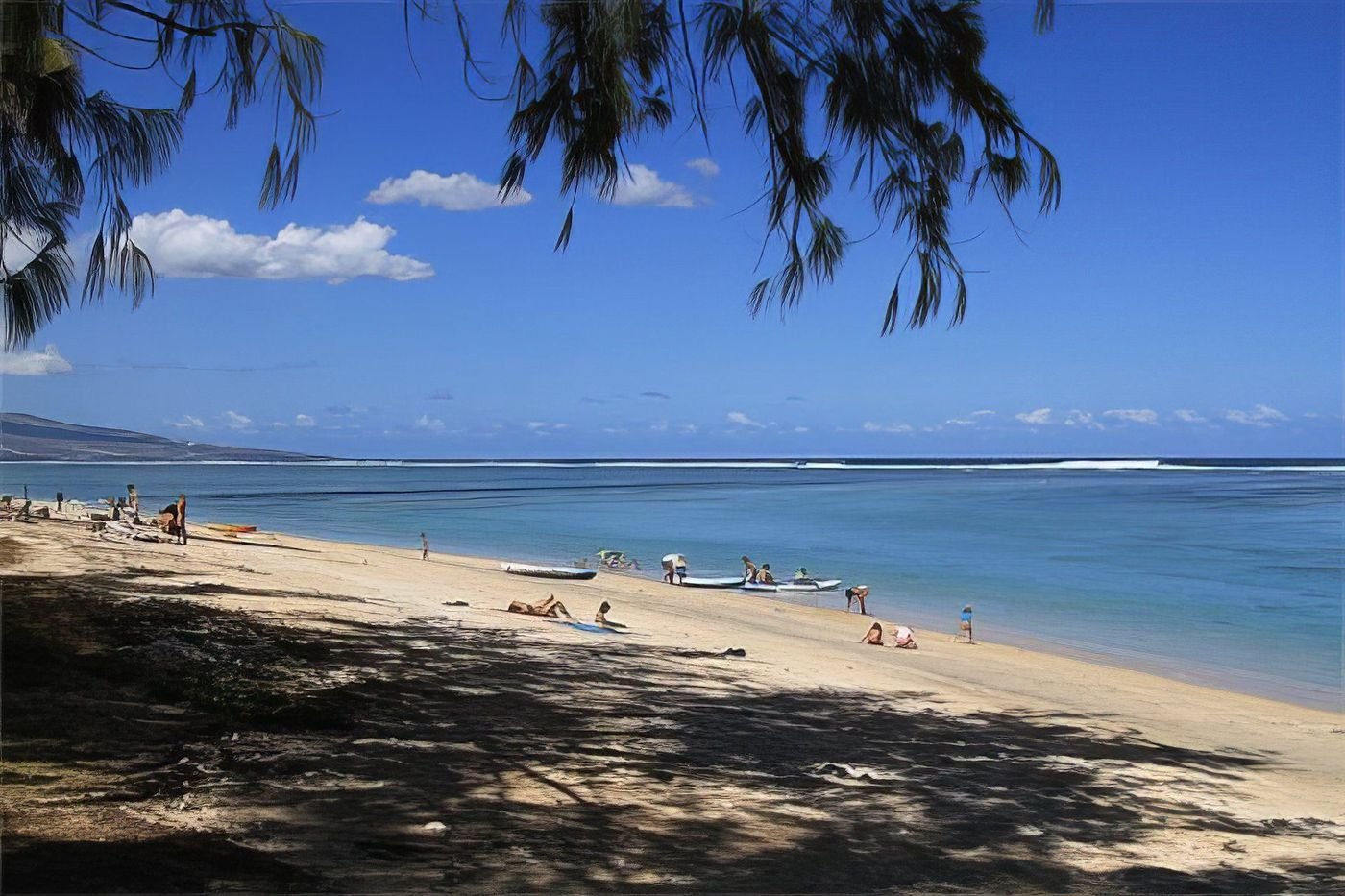
See the island’s most beautiful beaches


Extend Your Stay: Cirques, Volcanoes, and Creole Culture

Reunion Island is more than just its coastline. Inland, the cirques of Salazie, Cilaos, and Mafate, designated as UNESCO World Heritage Sites feature vertiginous cliffs and hilltop villages. Further south, Piton de la Fournaise and the Plaine des Sables form an almost lunar landscape, accessible to hikers and casual visitors alike.

Creole culture, meanwhile, is something to be savored as much as it is to be explored. On Fridays, the Saint-Paul market blends the scents of spices, local fruits, and handicrafts. Back at your rental, give it a try: a carry or a rougail with sausage, prepared with fresh produce from the market, is worth more than any restaurant. That, too, is part of the art of living on our little island.

See the island’s most beautiful beaches

Book your whale-watching trip in Réunion with Naïades Locations

Watching a humpback whale break the surface makes you feel tiny in the face of the Indian Ocean, and leaves you with an unforgettable experience. A whale-watching trip on the island of Réunion, between June and October, turns a vacation into a memory that will last a lifetime.

Set up your base in Saint-Gilles, check availability and current offers, and enjoy the best price guaranteed by booking directly on naiadeslocations.com.

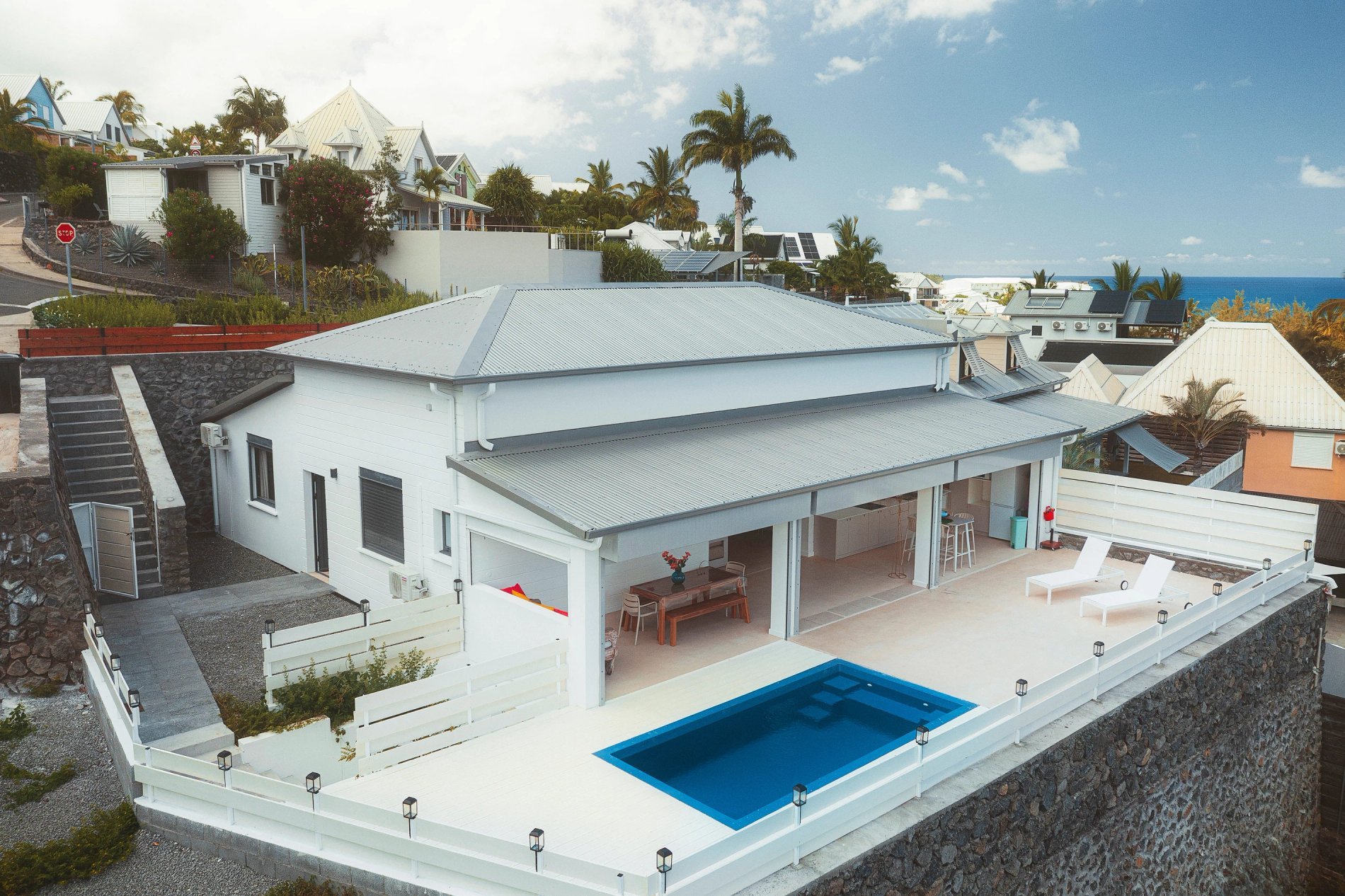
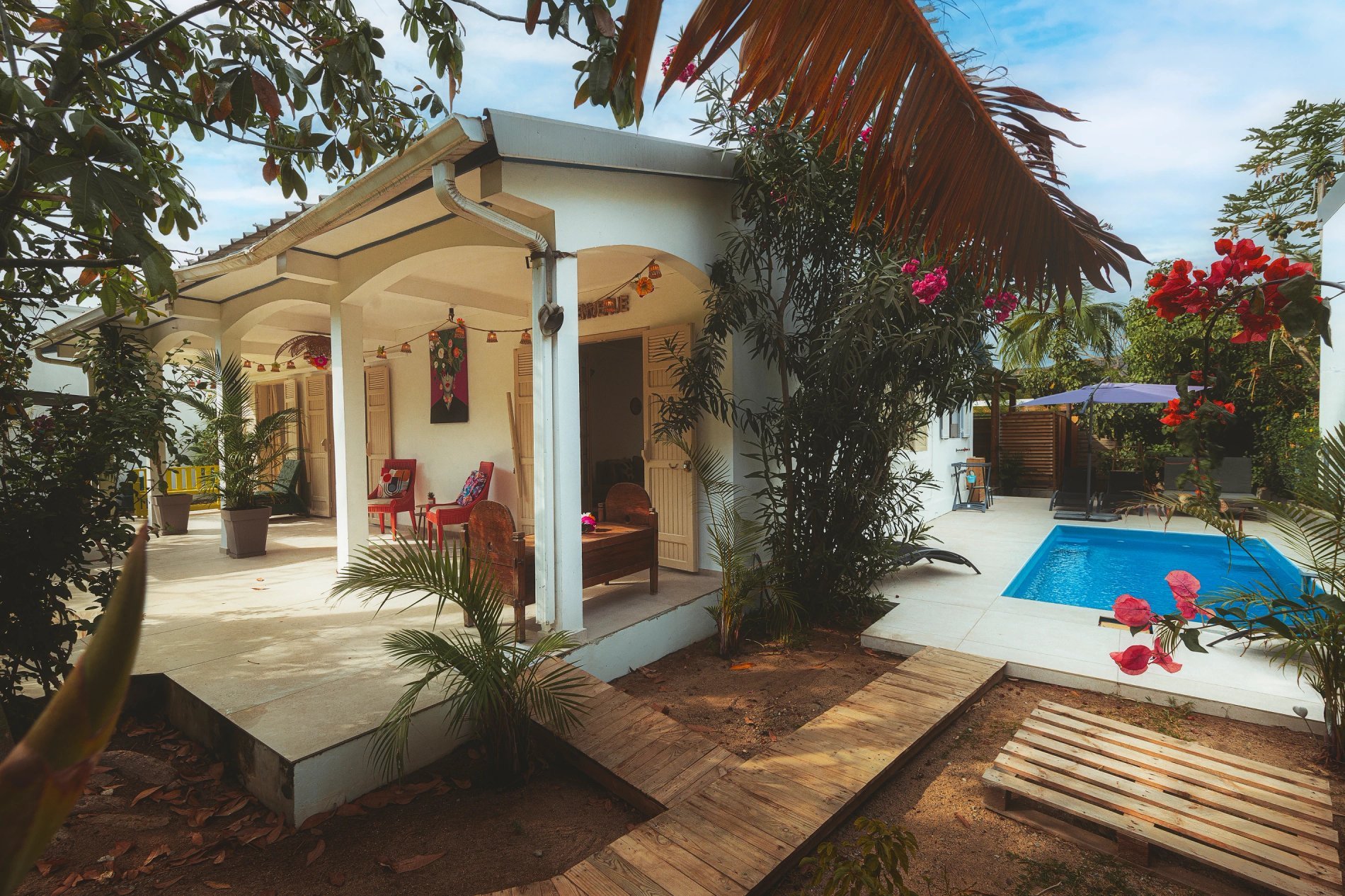
OUR APARTMENTS OUR VILLAS


Frequently Asked Questions About the Whale-Watching Trip in Réunion

When is the best time to go on a whale-watching trip in Réunion?

The season runs from June to October, in the middle of the Southern Hemisphere winter, with peak activity in July, August, and September. The regulated period runs from July 1 to September 30. Choose a sunny, calm morning when the sea is calm, offering the best visibility for spotting blowholes and breaches.

Where do whale-watching boat trips depart from?

Most excursions depart from the Saint-Gilles marina on the west coast, where the sheltered waters make for ideal encounters. Saint-Leu, off Cap La Houssaye, and Saint-Pierre, to the south, are also among the best spots for whale watching.

Can you swim with whales in Réunion?

Diving to observe these magnificent creatures is strictly regulated. It may only be done with a licensed operator, during the authorized time slot from 9:00 a.m. to 1:00 p.m., in small groups, and at a mandatory distance. Approaching the whales on your own is prohibited, and calves are subject to enhanced protections under a prefectural decree.

How long does a tour last, and is it suitable for children?

Expect the trip to last two to four hours, usually in the morning. The excursions are suitable for families, generally for children ages four or five and up. Be sure to bring a hat, sunscreen, and, if prone to seasickness, medication to fully enjoy the boat ride.

Are we guaranteed to see whales during the tour?

There is no 100% guarantee of seeing whales: these are wild animals in their natural habitat. During peak season, the chances of encountering a humpback whale remain high, and pods of dolphins can be seen almost year-round. In the event of a cancellation due to weather, the tour operators will offer a new date or a rescheduling.

Follow us on social networks!

Quick Response Code