Naïades Locations

When to Visit Réunion Island? Climate, Seasons and the Best Time to Go

When to Visit Réunion Island to Make the Most of Your Trip? The best time to visit Réunion Island is during the austral winter, from May to October. This is the dry season, ideal for hiking through the island’s cirques, swimming in the lagoon, and enjoying outdoor activities in a pleasant tropical climate.

Located in the Indian Ocean, Réunion experiences seasons opposite to those in mainland France and Europe. The austral summer, hot and humid, runs from November to April, while the austral winter is dry and sunny, offering perfect conditions for exploring nature, watching humpback whales off the west coast, and discovering the island’s many hiking trails. Whatever your travel style, every month of the year offers its own unique experiences on this vibrant destination.

Découvrir


Understanding Réunion Island’s Tropical Climate

Réunion Island enjoys a tropical climate shaped by two distinct seasons, an important factor when planning your trip. The dry season corresponds to the austral winter, from May to October, bringing mild temperatures and clear skies. The wet season, or austral summer, lasts from November to April, when temperatures rise, humidity increases, and rainfall becomes more frequent. This is also cyclone season, with the highest risk occurring in January and February.

However, Réunion’s climate is not defined solely by the calendar. The island’s rugged terrain creates a wide range of microclimates that vary according to region and altitude. The west coast, known as the “leeward coast,” where Saint-Gilles-les-Bains is located, is significantly drier and sunnier than the east coast, which is exposed to the trade winds and receives rainfall throughout the year. This makes western Réunion particularly attractive. Even during the wet season, rainfall is generally lighter and less frequent there. At higher elevations, in the cirques and around Piton de la Fournaise, temperatures drop noticeably and conditions become much cooler. During the heart of the austral winter, temperatures on the highest peaks can occasionally approach freezing.

Along the coast, temperatures range from 18°C to 26°C (64°F to 79°F) during the dry season and rise to around 28°C to 30°C (82°F to 86°F) during the warmer months, accompanied by higher humidity. Average conditions remain pleasant almost everywhere, while the lagoon’s warm waters make swimming and snorkeling possible throughout the year, particularly along the west coast.


The Dry Season (May to October): The Ideal Time to Visit

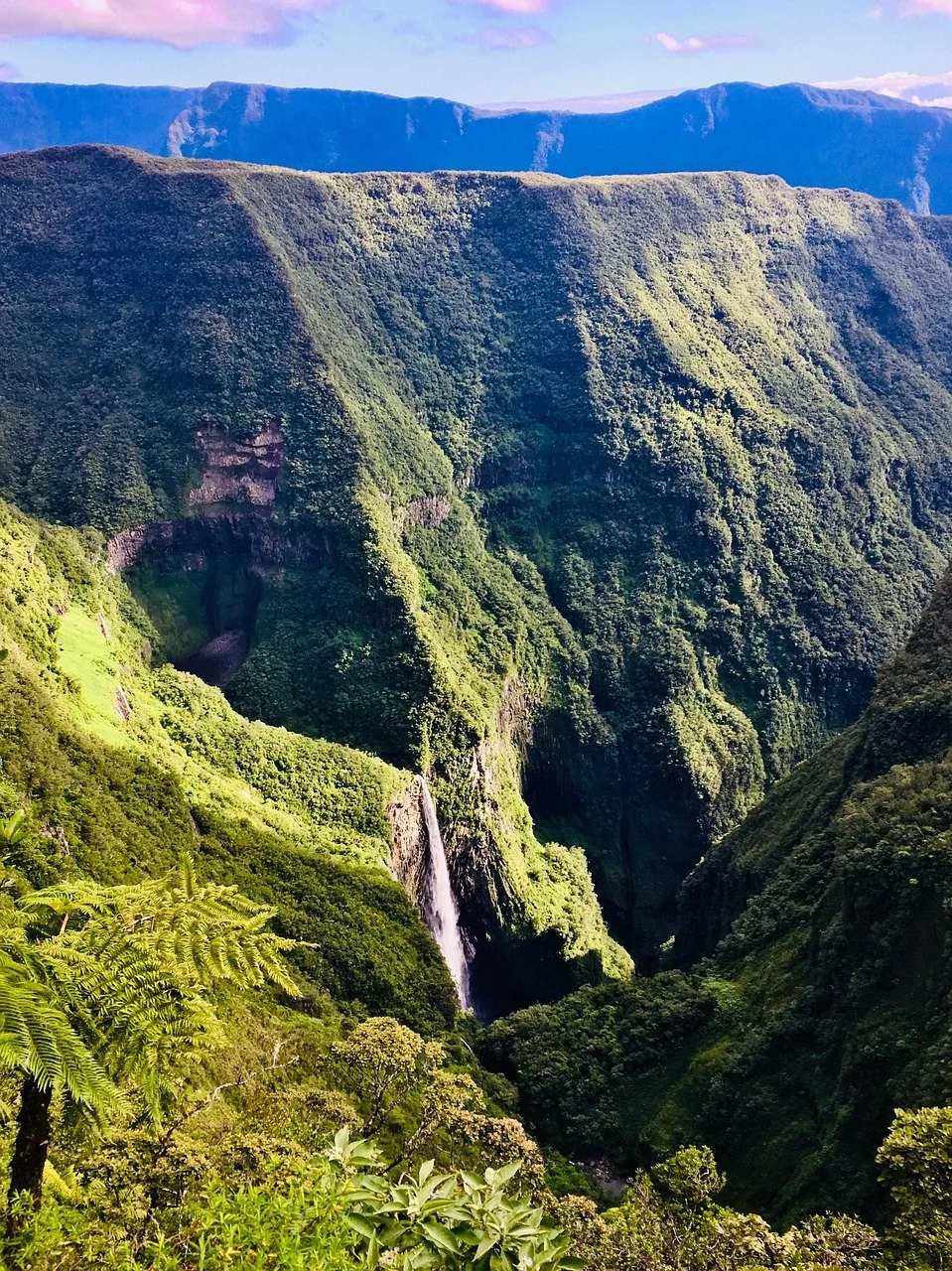
If you are looking for the best time to discover the island, the austral winter is the clear winner. From May to October, the dry and temperate climate turns every day into an invitation to explore. Hiking trails throughout the cirques of Mafate, Cilaos, and Salazie are accessible and well-defined, landscapes are at their clearest, and cooler mountain air makes trekking far more comfortable. It is also an excellent time to explore the island by bicycle or road trip.

This period is particularly favorable for visiting Piton de la Fournaise. Access to the Enclos, the volcano’s central caldera, is more frequently open during the dry season, when rain and fog are less likely to disrupt excursions. Imagine crossing the Plaine des Sables, a striking volcanic landscape of red and ochre tones resembling another planet, beneath the clear skies of July while ancient lava flows reveal the island’s fascinating geological history.

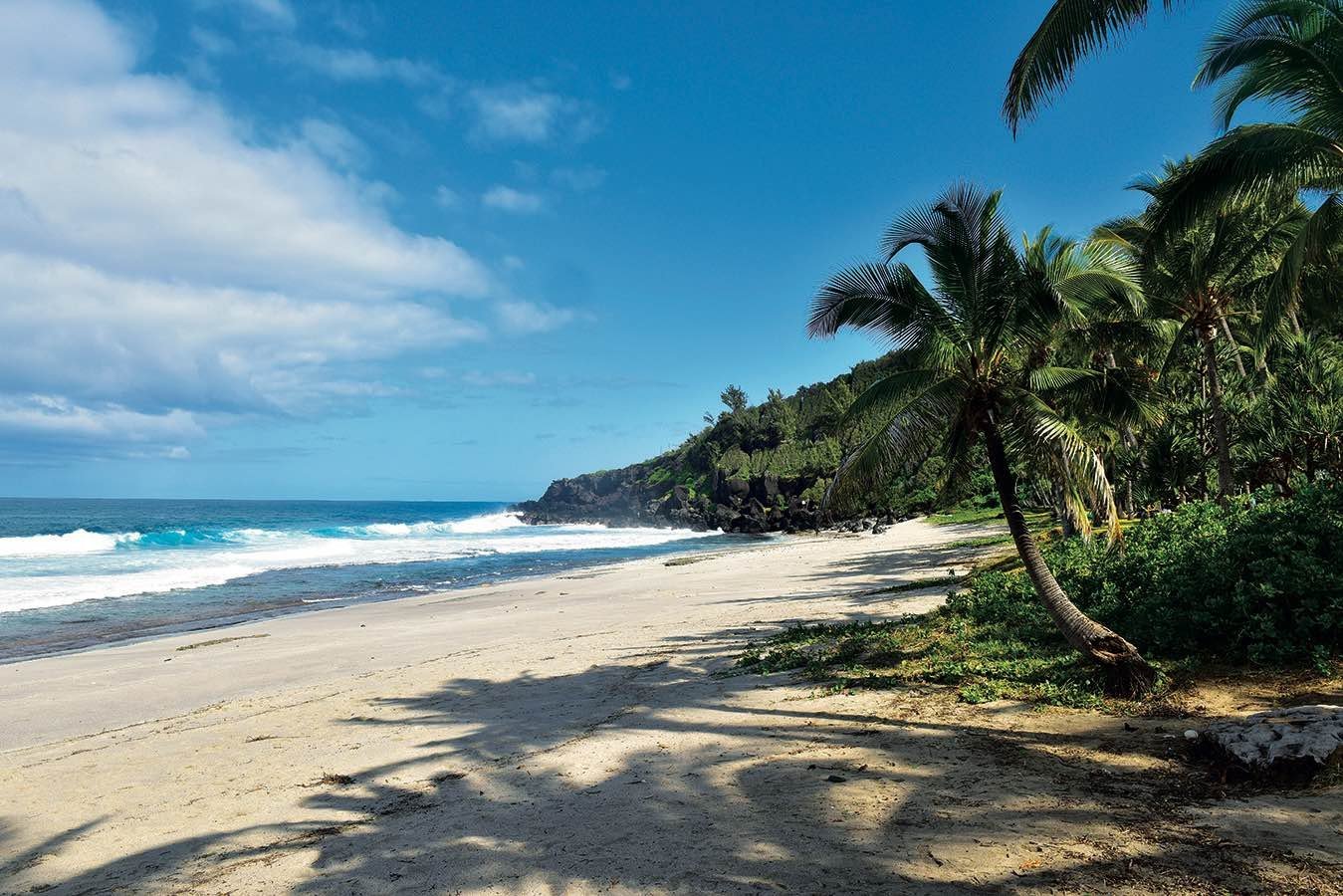
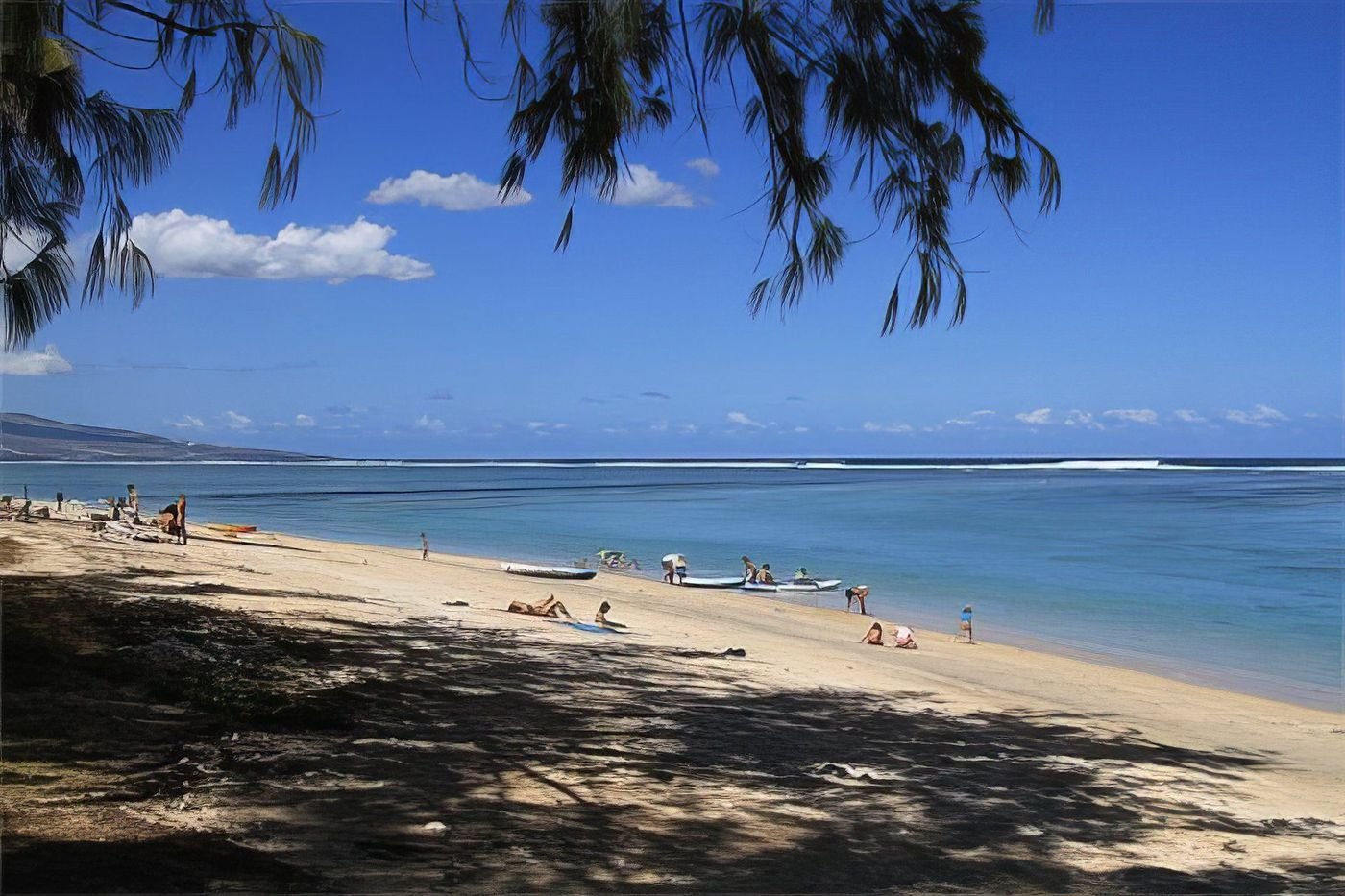
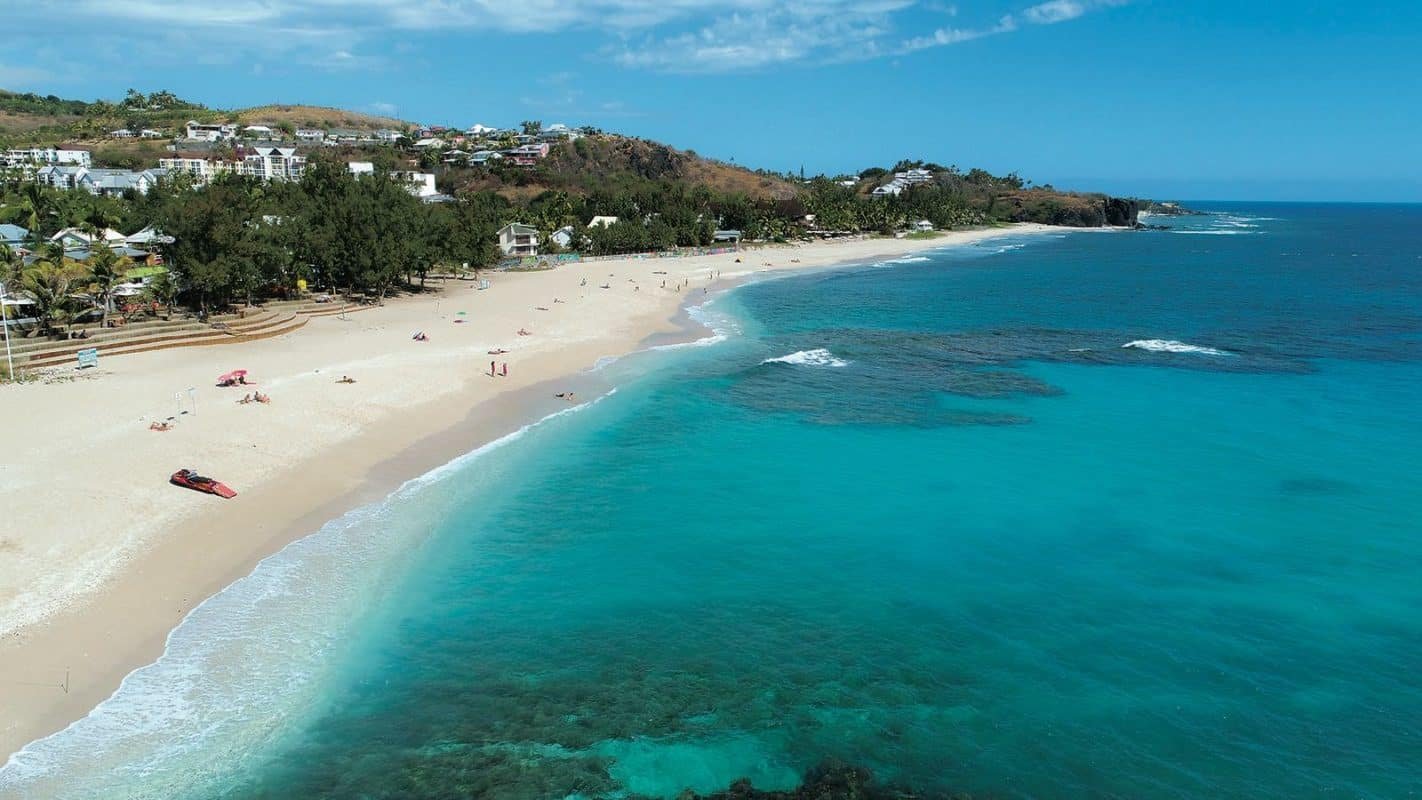
Along the coast, calm seas and pleasant temperatures create ideal conditions for beachgoers and water sports enthusiasts. The Hermitage Lagoon, located close to our accommodations, becomes a favorite destination for families and marine-life lovers, offering long days with little or no rainfall. One important point to note: July and August represent the peak tourist season, with the highest visitor numbers, more expensive flights, and higher accommodation rates. Travelers seeking a quieter atmosphere and better value should consider the shoulder seasons.


The Dry Season (May to October): The Ideal Time to Visit

If you are looking for the best time to discover the island, the austral winter is the clear winner. From May to October, the dry and temperate climate turns every day into an invitation to explore. Hiking trails throughout the cirques of Mafate, Cilaos, and Salazie are accessible and well-defined, landscapes are at their clearest, and cooler mountain air makes trekking far more comfortable. It is also an excellent time to explore the island by bicycle or road trip.

This period is particularly favorable for visiting Piton de la Fournaise. Access to the Enclos, the volcano’s central caldera, is more frequently open during the dry season, when rain and fog are less likely to disrupt excursions. Imagine crossing the Plaine des Sables, a striking volcanic landscape of red and ochre tones resembling another planet, beneath the clear skies of July while ancient lava flows reveal the island’s fascinating geological history.

Along the coast, calm seas and pleasant temperatures create ideal conditions for beachgoers and water sports enthusiasts. The Hermitage Lagoon, located close to our accommodations, becomes a favorite destination for families and marine-life lovers, offering long days with little or no rainfall. One important point to note: July and August represent the peak tourist season, with the highest visitor numbers, more expensive flights, and higher accommodation rates. Travelers seeking a quieter atmosphere and better value should consider the shoulder seasons.

Don't miss it

Whale Season: An Unforgettable Experience on the West Coast

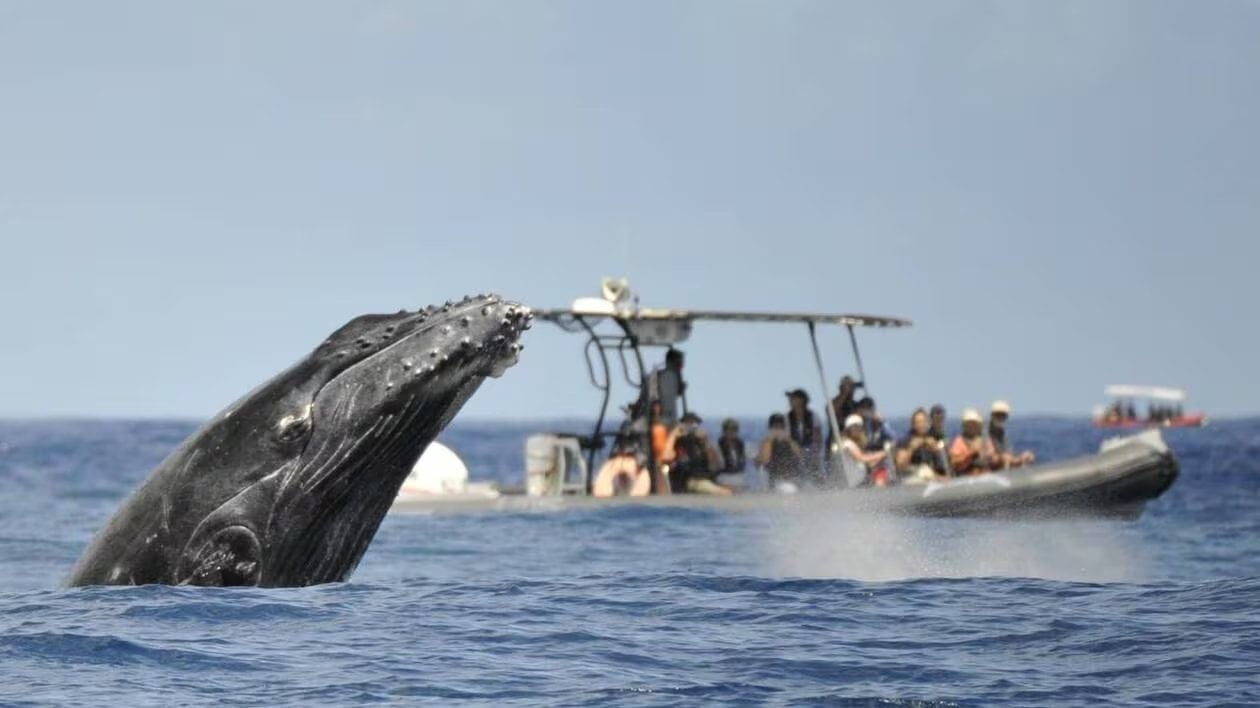
One of the highlights of the austral winter is whale season. Every year, from June to October, humpback whales migrate from the cold waters of Antarctica to the warmer Indian Ocean to give birth and nurse their calves. During this period, Réunion’s west coast becomes one of the best places in the world to observe these magnificent creatures, with sightings peaking in August.

Most whale-watching excursions and cruises depart from the marina in Saint-Gilles-les-Bains. Even from shore, it is sometimes possible to spot spectacular breaches and water spouts. Cap la Houssaye in Saint-Paul, the Boucan Canot lookout platform, and the coastline of Saint-Leu offer excellent viewing opportunities when sea conditions are calm.

If you choose a boat excursion, select a certified operator committed to responsible whale watching and respectful interaction with marine wildlife. The official whale-watching season runs from July 1 to September 30, although the first whales often arrive as early as late May.


The Wet Season (November to April): Nature at Its Most Spectacular

Does that mean you should avoid the austral summer? Not necessarily. The warm season has its own appeal for experienced travelers. From November to April, heat and humidity fuel explosive tropical growth. Waterfalls are at their fullest, forests become intensely green, and the island reveals its most lush and dramatic side. This is also lychee season, along with many other tropical fruits that fill local markets and Creole dining tables during the festive season.

The warm ocean remains perfect for swimming, and the west coast, which is drier than the east, is often spared the heaviest showers. Rainfall typically occurs later in the day and passes quickly. However, travelers should keep the cyclone season in mind, particularly in January and February, when outdoor activities and mountain access can be disrupted. Hiking requires greater flexibility and caution during this period.

The wet season also coincides with a rich cultural calendar. Celebrations such as Dipavali, Tamil New Year festivities, traditional ceremonies, and numerous trail-running events bring the island to life. Earlier in the season, on December 20, the Fèt Kaf celebration commemorates the abolition of slavery and remains one of the most important events in Réunion’s cultural identity. This is an excellent time to immerse yourself in the island’s traditions and cuisine, provided you are comfortable with more unpredictable weather.


The Wet Season (November to April): Nature at Its Most Spectacular

Does that mean you should avoid the austral summer? Not necessarily. The warm season has its own appeal for experienced travelers. From November to April, heat and humidity fuel explosive tropical growth. Waterfalls are at their fullest, forests become intensely green, and the island reveals its most lush and dramatic side. This is also lychee season, along with many other tropical fruits that fill local markets and Creole dining tables during the festive season.

The warm ocean remains perfect for swimming, and the west coast, which is drier than the east, is often spared the heaviest showers. Rainfall typically occurs later in the day and passes quickly. However, travelers should keep the cyclone season in mind, particularly in January and February, when outdoor activities and mountain access can be disrupted. Hiking requires greater flexibility and caution during this period.

The wet season also coincides with a rich cultural calendar. Celebrations such as Dipavali, Tamil New Year festivities, traditional ceremonies, and numerous trail-running events bring the island to life. Earlier in the season, on December 20, the Fèt Kaf celebration commemorates the abolition of slavery and remains one of the most important events in Réunion’s cultural identity. This is an excellent time to immerse yourself in the island’s traditions and cuisine, provided you are comfortable with more unpredictable weather.

September and October: The Perfect Balance

Still undecided? For most travelers, September and October provide the ideal balance between weather, visitor numbers, and budget. Rainfall is rare, temperatures are comfortable, vegetation begins to flourish again after winter, and tourist crowds decrease following the July–August peak season. Whales are still present offshore, hiking trails remain dry and accessible, and accommodation and travel prices become more reasonable. This is the period we most often recommend for a first tailor-made trip to Réunion Island.

It is also a time when the evening light over Grand Fond and the west coast becomes particularly beautiful. For travelers wishing to combine hiking, lagoon swimming, and island exploration, few periods offer such a harmonious experience.

EXPLORE OUR TRAVEL GUIDE

Naïades Locations

Saint-Gilles-les-Bains: The Ideal Base Year-Round

Regardless of when you visit, the location of your accommodation makes all the difference. Saint-Gilles-les-Bains, the flagship seaside resort on the west coast, enjoys the driest and sunniest climate on the island. Located close to the Hermitage Lagoon, La Saline Beach, and Boucan Canot Beach, it provides ideal access to swimming, water sports, and whale-watching excursions.

Beyond its coastline, Réunion offers a wealth of UNESCO-listed natural treasures, including the three cirques formed by the collapse of Piton des Neiges, the colorful Friday market in Saint-Paul, the winding road to Cilaos with its 400 bends, and the charming Creole village of Hell-Bourg in the Cirque de Salazie. Local produce and the island’s multicultural cuisine, from carry dishes to rougail specialties, complete the immersion into the Réunion way of life.

Our accommodations

Our Naïades Locations accommodations, situated approximately 40 minutes from Roland Garros Airport, provide easy access to the island’s main roads leading to the cirques, the volcano, Saint-Denis in the north, and Saint-Pierre in the south.

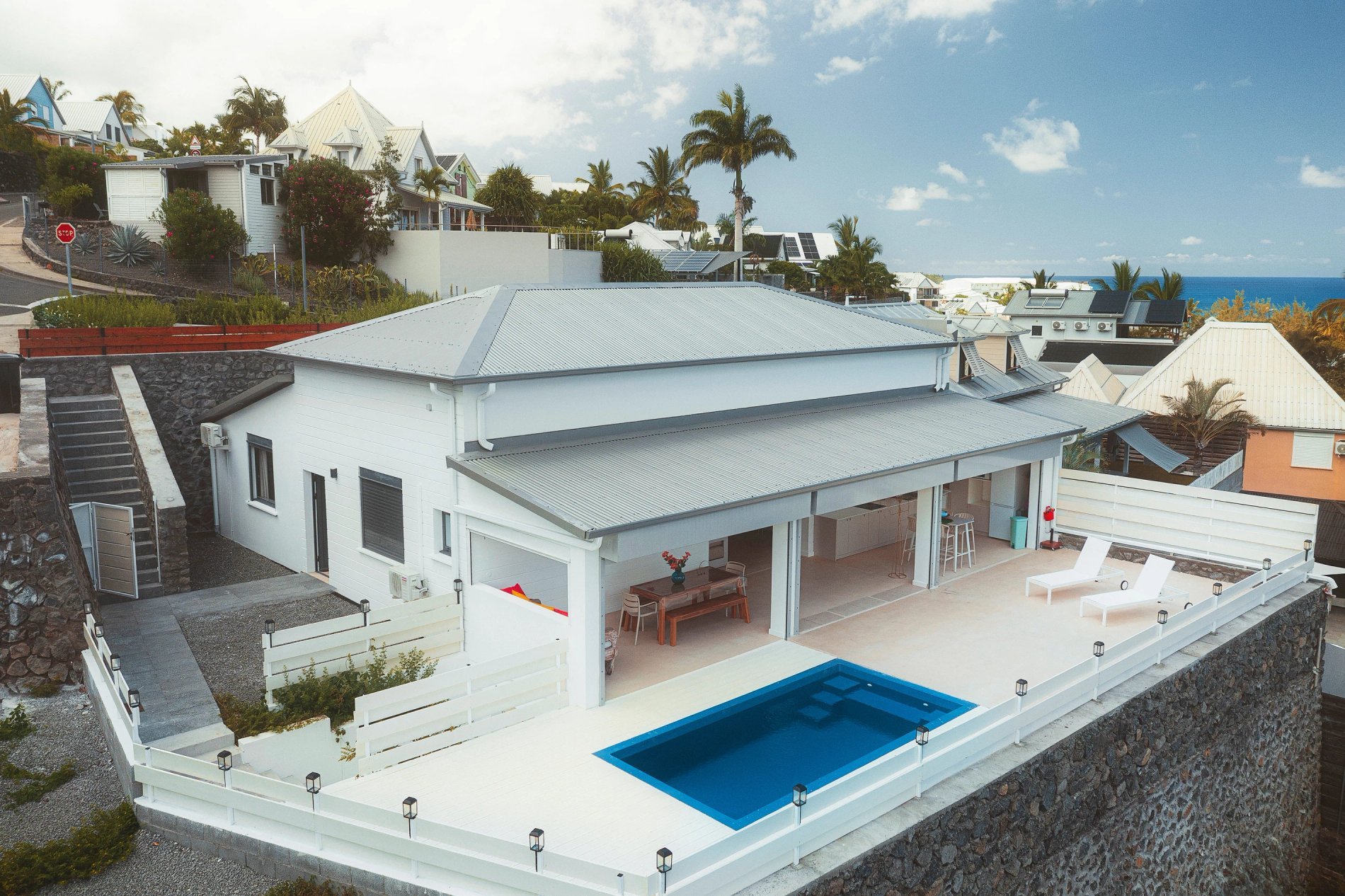
Whether traveling as a couple, a family, or a group, our villas, apartments, bungalows, and studios are designed to combine comfort with authenticity. From the Studio Passion for romantic getaways to Villa Aloues’t for gatherings of up to twelve guests, each property serves as an ideal base for exploring every corner of the island.


Book Your Stay in Réunion Island with Naïades Locations

Whatever time of year you choose to visit Réunion Island, Corine and Radj welcome you with genuine Creole hospitality and can guide you toward the island’s most memorable experiences. From the hiking-friendly dry season to the spectacle of humpback whales during the austral winter, your stay takes on a whole new dimension when based in a well-located accommodation in Saint-Gilles-les-Bains. Check availability and rates, explore our accommodations, and benefit from the best guaranteed price by booking directly through naiadeslocations.com.

BOOK YOUR RENTAL WITH NAÏADES LOCATIONS

FAQ – Frequently Asked Questions About Réunion Island

What Is the Best Time to Visit Réunion Island?

The best time to visit Réunion Island is from May to October, during the austral winter. This dry season offers mild temperatures, excellent hiking conditions, and maximum sunshine along the west coast. September and October provide the best balance of weather, visitor numbers, and travel costs.

When Can You See Whales in Réunion Island?

Humpback whales can be spotted from June to October along the west coast, with peak sightings generally occurring in August. Boat excursions and cruises mainly depart from the port of Saint-Gilles-les-Bains. The officially regulated whale-watching season runs from July 1 to September 30.

When Is the Rainy Season in Réunion Island?

The rainy season, or austral summer, lasts from November to April. Temperatures and humidity rise, and rainfall becomes more frequent, especially on the east coast. The risk of tropical cyclones is highest in January and February. The drier west coast remains the most favorable area during this period.

Can You Swim Year-Round in Réunion Island?

Yes, swimming is possible throughout the year, particularly in the lagoon of L'Ermitage and along the west coast, where the water remains warm and inviting. The sea is especially warm during the austral summer, but water temperatures during the dry season are also pleasant for swimming and snorkeling.

Which Months Should You Avoid for a Trip to Réunion Island?

January and February are generally the most challenging months to visit due to intense heat, high humidity, and the greatest cyclone risk of the year. Heavy rainfall can disrupt hiking trails and access to Piton de la Fournaise. For outdoor activities, the dry season is the better choice.

When Should You Visit Réunion Island for Hiking?

For hiking and trekking, the best period is the dry season from May to October. Trails in the cirques of Mafate, Cilaos, and Salazie are generally clear, cooler temperatures at higher elevations make hiking more comfortable, and access to Piton de la Fournaise is more often open than during the wet season.

Follow us on social networks!

Quick Response Code